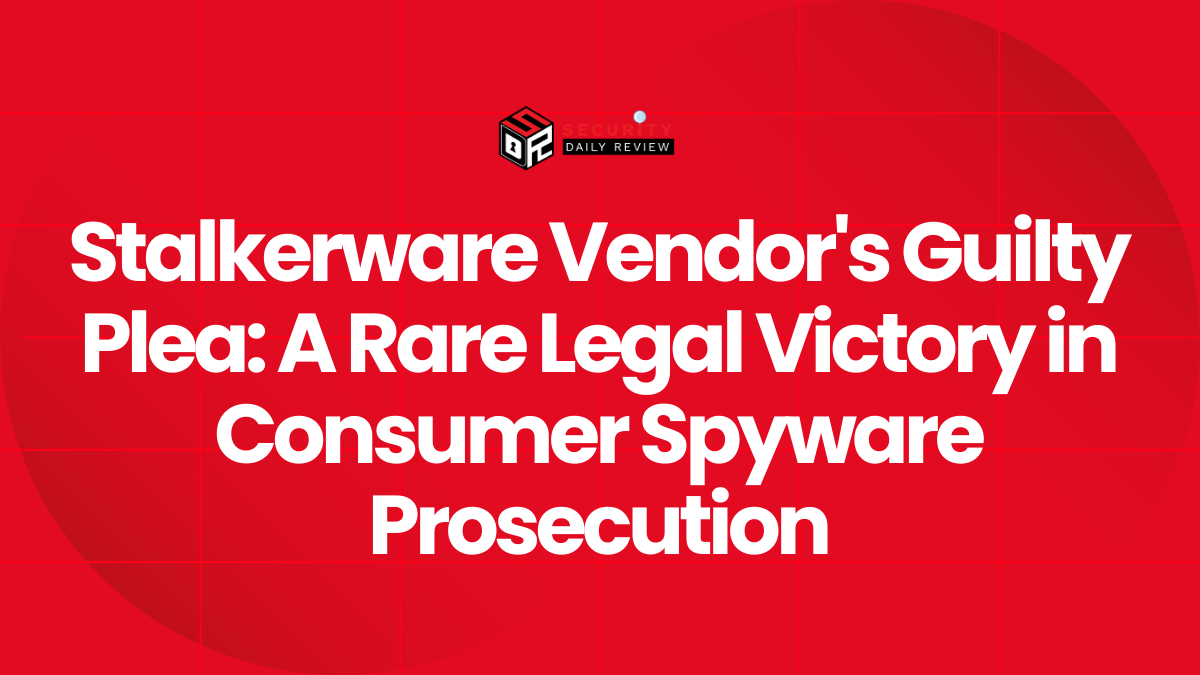
The U.S. government’s successful prosecution of a stalkerware maker signifies a rare legal victory against consumer spyware vendors. Bryan Fleming, the creator of pcTattletale, now faces a possible 15-year prison sentence after pleading guilty in federal court. This case is only the second of its kind in over a decade, indicating the massive challenge of bringing consumer spyware vendors to justice.
Broader Implications for the Spyware Industry
The rarity of such prosecutions underscores the complexities and challenges involved in tackling consumer spyware. This legal victory not only calls attention to the ongoing privacy debate but also highlights the necessity for more rigorous legal frameworks and enforcement mechanisms in the cybersecurity realm.
Legal Ramifications and Potential Sentences
Bryan Fleming’s potential 15-year sentence serves as a stark warning to others engaged in similar illicit activities. Such legal actions reflect the consequential legal repercussions that spyware developers might face, setting a precedent for future cases.
The Rise of Stalkerware Concerns
The prosecution highlights the alarming rise of stalkerware and its impacts on user privacy and security. Stalkerware have increasingly been the subject of regulatory scrutiny due to their potential use in violating privacy and perpetrating domestic abuse.
- Stalkerware apps clandestinely track online activity.
- They often operate without user consent.
- Legal structures frequently lag technological advances.
The Role of the Cybersecurity Community
Cybersecurity researchers continuously emphasize the importance of secure coding practices, legal advocacy, and public awareness to combat spyware. The community remains vigilant, offering insights into spyware detection and prevention measures:
- Educating users on potential privacy threats
- Promoting the use of anti-malware tools
- Advanced threat detection to identify spyware
The guilty plea obtained from Bryan Fleming marks a significant milestone in the ongoing battle against consumer spyware. This rare legal success emphasizes the critical need for enhanced cyber defenses and legal measures to protect privacy and security. Proactive collaboration between legal entities and cybersecurity professionals will continue to be essential for addressing the rapidly evolving technology landscape.
Without delivering a definite conclusion, understand that this legal case serves both as a deterrent and a prompt for systemic improvements within the cybersecurity infrastructure.