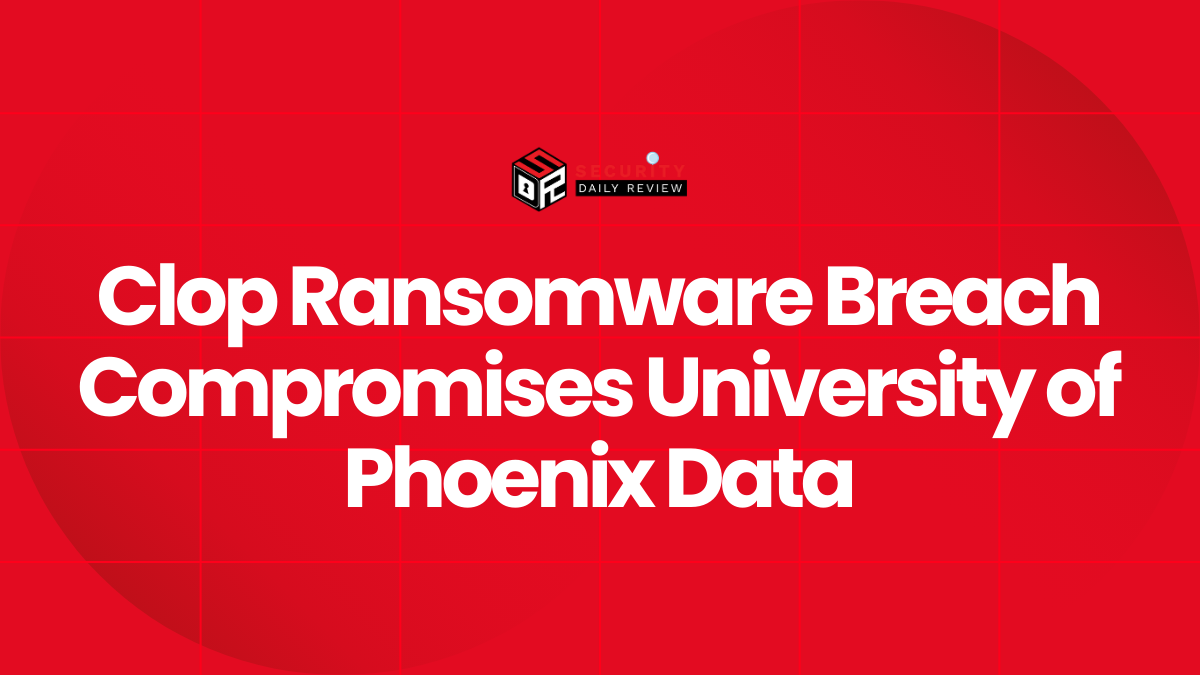
The Clop ransomware gang executed a breach that compromised the sensitive data of approximately 3.5 million individuals connected to the University of Phoenix (UoPX). The breach, which took place in August, affected students, staff, and suppliers, exposing their private information.
University of Phoenix Data Breach Overview
Clop ransomware operators have a track record of targeting institutions to steal significant amounts of sensitive data. In this breach, they accessed and stole records from UoPX’s network, making it another high-profile victim.
Large-Scale Exposure of Sensitive Data
In the August breach, Clop ransomware attacked UoPX networks and exposed nearly 3.5 million records. The compromised data includes a wide range of personal and sensitive information, creating privacy issues for those impacted.
This breach illustrates a major vulnerability in the university’s cybersecurity defenses. The compromised data likely includes:
- Personal identification information
- Academic records and staff employment details
- Supplier and partner agreements
Clop Ransomware’s Operations and Impact
Clop is known for sophisticated attacks on educational institutions, using advanced methods to breach network defenses. The impact of these breaches extends beyond immediate data loss, leading to:
- Damage to the institution’s reputation
- Financial obligations for breach remediation
- Long-term privacy risks for affected individuals
Clop’s operations frequently involve data extortion, with stolen data being used to demand ransom payments. However, their tendency to release stolen data regardless of payment poses additional risks.
Educational Institutions as High-Risk Targets
The breach at UoPX is part of a broader issue where educational entities become targets for ransomware attacks. Several factors contribute to their vulnerability:
- Large amounts of data with inadequate cybersecurity funding
- Decentralized structures that hinder cohesive security strategies
- High-pressure environments prioritizing quick data access over security
Urgent Cybersecurity Reinforcement Required
In response to the UoPX breach, educational institutions are advised to reevaluate their cybersecurity measures. Emphasizing robust security protocols is essential, focusing on:
- Regular penetration testing and vulnerability assessments
- Advanced intrusion detection systems and endpoint protections
- Comprehensive threat intelligence sharing and collaboration
The Clop ransomware attack on the University of Phoenix signifies the critical need for educational sectors to enhance preparedness against complex cyber threats. Without stronger defenses, millions remain at risk, and institutions face financial and reputational harm.