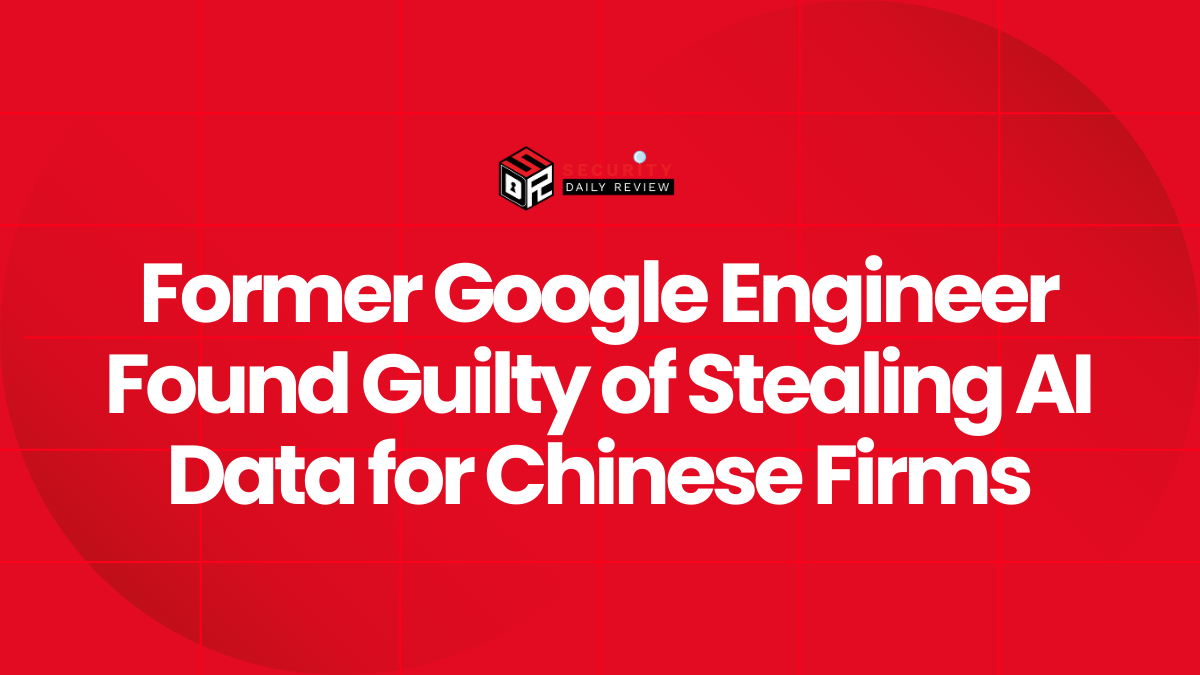
The conviction of Linwei Ding, a former software engineer at Google, by a U.S. federal jury marks a significant breach in data security, as Ding was found guilty of stealing proprietary AI supercomputer data from his former employer. He subsequently shared this valuable information with Chinese technology firms, evidencing the ongoing threats posed to corporate cybersecurity and data privacy.
Allegations and Conviction of Data Misappropriation
The trial revealed that Ding unlawfully accessed and transmitted sensitive data from Google’s AI supercomputer projects, a violation of both internal company policies and federal law. This action brought to light concerns about the insider threat within technology companies, particularly those working on cutting-edge innovations.
Potential Impacts on Corporate Cybersecurity
Ding’s unauthorized sharing of AI-related data underscores the vulnerabilities faced by corporations in protecting their intellectual property. With AI being a critical competitive factor in today’s technology landscape, safeguarding information such as algorithms, system designs, and performance benchmarks remains a priority.
- The breach could potentially lead to a competitive advantage for overseas firms receiving such stolen data.
- Companies are tasked with implementing robust data protection strategies to ensure that sensitive information is inaccessible to unauthorized personnel.
- Insider threats necessitate advanced monitoring and rigorous access controls as preventive measures.
Legal and Ethical Responsibilities
In the realm of artificial intelligence development, ethical considerations and adherence to legal protocols are paramount. The verdict against Ding serves as a reminder of the repercussions of failing to uphold these standards.
- Companies must foster a culture of integrity and compliance, reinforcing the importance of lawful conduct among employees.
- Legal frameworks play a critical role in deterring data misappropriation by holding individuals accountable for breaches.
- Strengthening international cooperation may help curb the cross-border transition of sensitive technologies and information.
By recognizing these critical elements, enterprises can be better equipped to navigate the complexities of data security, particularly as they pertain to international collaborations and the competitive field of AI advancements.